
Slot Volatility Explained: Why Big Wins Feel So Rare
You hit spin for the twentieth time on a bonus round and walk away with three dollars. Your friend plays the same slot, same bet, and cashes out two thousand. Nothing is broken, nobody is cheating you, and the game is not "due" for a payout. You are simply feeling variance, the single most misunderstood force in all of iGaming. Understand it properly and you will stop chasing ghosts, pick better games for your bankroll, and enjoy the grind a lot more.
What Volatility Actually Measures
Every casino game has a house edge, the mathematical slice the operator keeps over millions of bets. Volatility is something different. It describes how the returns are distributed, not how much is taken overall. A high-volatility slot might return 96% to players over its lifetime, but do it through rare, enormous payouts. A low-volatility slot might return the same 96% through frequent, small wins that keep you hovering near your starting balance.
Think of two vending machines. One always drops a snack. The other drops nothing for an hour, then empties the entire shelf at once. Same inventory, wildly different experiences. That is the core idea. Slots run from low volatility (think classic three-reel fruit machines, hit frequency often above 30%) to extreme volatility (megaways and bonus-buy monsters with maximum wins listed at 50,000x your stake).
- Low volatility: frequent small wins, gentle swings, best for long sessions on a small bankroll.
- Medium volatility: the comfortable middle ground, decent hit rate with occasional meaningful boosts.
- High volatility: long dry spells, terrifying balance swings, and the chance of a life-changing multiplier.
Why the Big Wins Are So Rare
Here is a concrete example. Suppose a slot advertises a maximum win of 10,000x and a return of 96%. That top payout is not a target the game is working toward. It might carry a probability of roughly one in several million spins. The remaining return is stitched together from thousands of smaller, more likely combinations. For up-to-date information, visit สล็อตเว็บตรง.
What this produces is something called a skewed distribution. Most sessions end below where you started. A small number of sessions end slightly ahead. A tiny fraction end enormously ahead. When you watch a streamer hit a 25,000x bonus on a Tuesday, you are watching the extreme tail of that curve, not a representative Tuesday. Nobody clips the 40-spin dead zone. That selection bias is why big wins feel both everywhere and impossible.
Return to player (RTP) compounds the confusion. Two versions of the same game can run at 96% and 94%. Over 100,000 spins at ten dollars each, that gap is around twenty thousand dollars in expected loss. The difference is invisible in one session and brutal over a year.
Volatility Across the Casino Floor
This concept is not a slots-only quirk. It shapes every game you play.
Blackjack is low volatility if you play basic strategy with flat bets. The house edge sits around 0.5%, and swings are modest. Chase side bets and it becomes wildly volatile with terrible edges, sometimes above 5%.
Video poker is a beautiful illustration. Jacks or Better at 9/6 payouts has a low-variance return of 99.5% when played perfectly. Switch to a progressive royal flush game and the variance jumps sharply, even though the theoretical return improves. You are trading consistency for a lottery ticket.
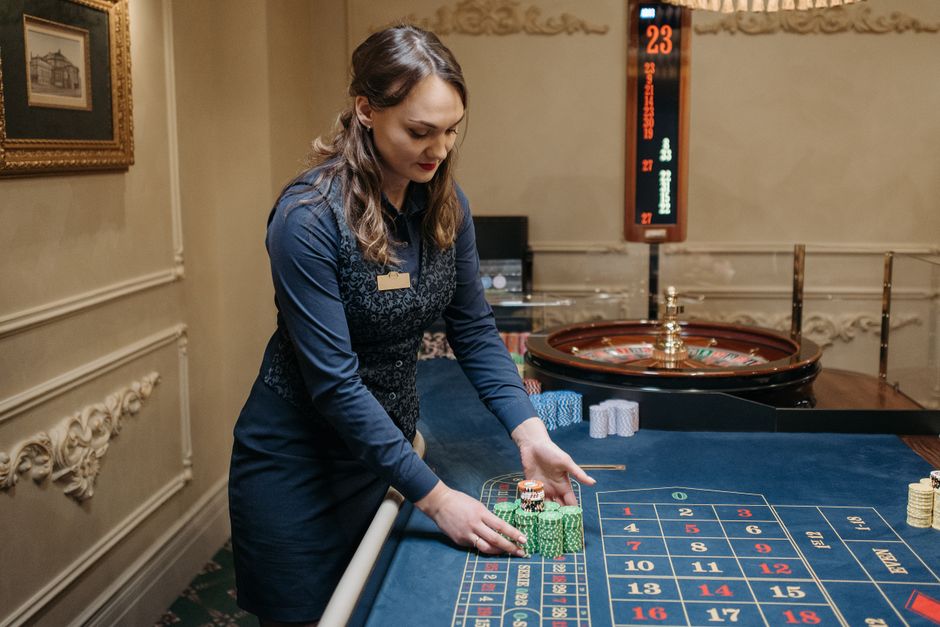
Roulette stays moderate. Single-zero wheels carry a 2.7% edge, and outside bets like red or black deliver near coin-flip frequency with tiny payouts. Inside bets on a single number pay 35 to 1 but land about once every 37 spins. Same game, completely different variance profile depending on where you put your chips.
Poker is the odd one out. The house takes a rake rather than betting against you, so your results depend on skill relative to opponents. Variance still rules short-term outcomes. A winning cash game player can lose for weeks, and tournament poker amplifies this to absurd levels, which is why pros talk about sample sizes in the tens of thousands of hands before results mean anything.
Matching Games to Your Bankroll
This is where volatility stops being trivia and starts being useful. The single biggest mistake casual players make is choosing games that do not fit their money.
- Set a session budget you can genuinely lose. Not the amount you hope to win. The amount that will not ruin your week.
- Decide how long you want to play. Two hours of entertainment needs different ammo than twenty minutes of thrill-seeking.
- Do the math. A rough guideline: your bankroll should hold at least 200 to 300 bets for low-volatility play, and 500 or more for high-volatility slots. Fifty dollars supports quarter bets on a gentle game, not five-dollar spins on a max-win monster.
- Pick volatility to match. Want longevity and steady fun? Go low or medium. Chasing a headline payout with money you do not need? Only then does high volatility make sense.
Bonus terms matter here too. A wagering requirement of 40x on a bonus looks far more achievable on a low-volatility slot than on one where your balance can vanish in fifty spins. Read the game contribution table before you commit, because many high-volatility slots contribute reduced or zero progress toward clearing a bonus.
Common Traps and Myths
The game is due. Random number generators have no memory. A million spins without a jackpot does not increase the odds on the next one. This is the gambler's fallacy in its purest form.
RTP means I get 96% back. It does not. It means the machine pays 96% over millions of spins across all players. Your individual session can fall anywhere on the distribution.
Switching games after a losing streak helps. It does not change your odds, but it can change your volatility exposure. Switching from a brutal high-variance slot to a gentler one genuinely stretches your session, and that is a legitimate strategy.
Hot and cold streaks are predictable. Short-term clusters of luck are real statistically. They are not signals. Streak-chasing is entertainment, not edge.
Turning Understanding Into Discipline
Once you internalize variance, several things improve at once. You stop tilting after a bad run because you expected the bad run. You size your bets to survive the downswings. You stop comparing your results to the highlight reels of strangers who only post the wins. And you recognize that the house edge is the real opponent, not the slot in front of you, which means no game choice and no betting pattern can flip a negative expectation into a positive one.
Volatility will not tell you when to win. It tells you what kind of ride to expect, and that is genuinely valuable. Choose low-volatility games when you want a long evening of manageable ups and downs. Choose high-volatility games only when the stake is truly disposable and the dream of a monster multiplier is worth the dead spins. Respect the math, protect your bankroll, and treat the thrill as the product you are buying. The players who last are not the luckiest ones. They are the ones who understood the variance curve before they ever pressed spin.


A basic kit should include a claw hammer, tape measure, spirit level, utility knife and safety glasses for everyday building tasks.
Small cracks can be filled with flexible filler and sanded smooth, but moving cracks may signal a deeper structural issue.
Consider reclaimed timber, recycled aggregates and low-carbon insulation to reduce waste and improve the environmental impact of construction work.
Adding loft insulation, draught proofing and cavity wall protection can keep warmth inside and reduce monthly heating costs significantly.